Stroke & Spinal Cord Injury Rehabilitation
World-Class Neurorehabilitation at DakshinRehab
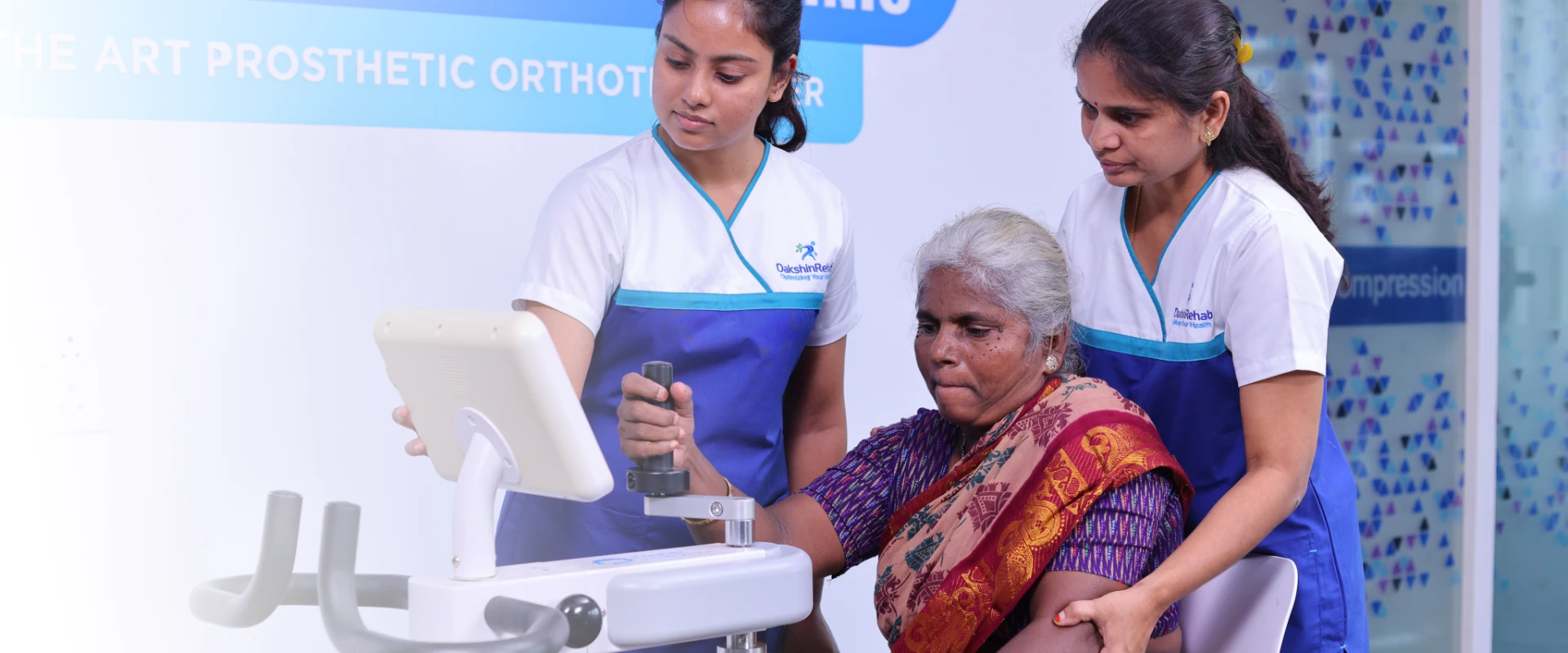
What is neurorehabilitation? Neurorehabilitation is specialized therapy to restore function after stroke or spinal cord injury, focusing on retraining the brain and nervous system. What challenges do stroke and SCI patients face? Stroke or spinal cord injury turns your world upside down. Movement is limited. Independence feels lost. Every day is a struggle to regain what you once took for granted. How does DakshinRehab help? At DakshinRehab Moosapet, Hyderabad, we combine cutting-edge neurorehabilitation technology with a compassionate multidisciplinary team to help stroke and spinal cord injury patients reclaim independence. What technologies do we use? Our comprehensive approach integrates Redcord Neurac suspension therapy, MyoPlus EMG biofeedback, Salus Talent Pro 3 Tesla RPMS electromagnetic therapy, BOBO balance training, wireless NMES, and robotic-assisted therapy. What support is available? Supported by 24/7 inpatient care, daily physiotherapy, occupational therapy, speech therapy, and psychological support for optimal functional recovery. We've helped thousands regain movement, confidence, and independence. Your recovery journey starts here.
Why DakshinRehab Neurorehabilitation Leads in Hyderabad
- Stroke recovery: hand, arm, walking, speech
- Spinal cord injury: selective activation, gait
- Redcord Neurac suspension therapy (exclusive)
- MyoPlus EMG biofeedback for motor control
- Salus Talent Pro 3 Tesla RPMS therapy
- BOBO balance training with virtual rehab
- Wireless NMES for muscle re-education
- Robotic-assisted hand and leg therapy
- 24/7 inpatient care with nursing support
- Daily physio, OT, speech, psychology
- Custom nutrition and respiratory care
- Outpatient programs for continued progress
"Recovery journey: Acute care referral → 7-16 day inpatient program with intensive daily therapy → personalized outpatient plan → fitness, recreation, and wellness programs for long-term independence. We support you at every stage."
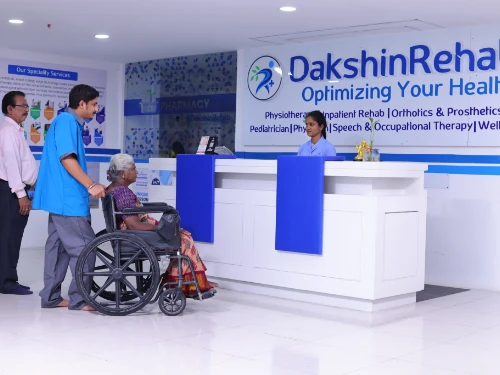
Our Comprehensive Neuro Rehabilitation Protocol
DakshinRehab's evidence-based neurorehabilitation protocol integrates advanced technology, multidisciplinary expertise, and patient-centered care to restore function, independence, and quality of life after stroke and spinal cord injuries through inpatient and outpatient programs.
Comprehensive Assessment & Care Planning
Detailed neurological examination, movement analysis, functional testing, and EMG evaluation. Review medical history, imaging, and physician referrals. Multidisciplinary team (neurologist, physiotherapist, occupational therapist, speech pathologist, psychologist) develops personalized care plan with clear functional goals, expected timeline (7-16 days inpatient average), and technology integration strategy.
Intensive Inpatient Rehabilitation (7-16 Days)
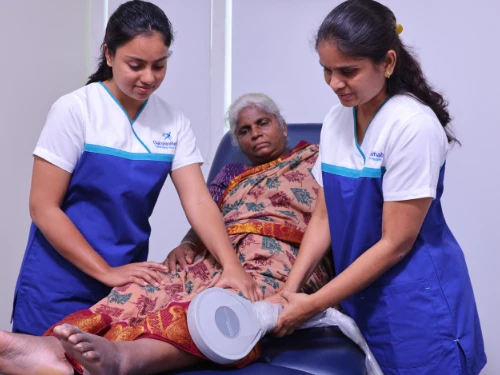
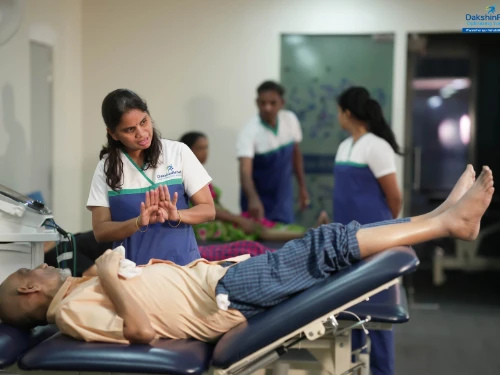
24/7 medical and nursing care with daily intensive therapy blocks: physiotherapy with Redcord Neurac, EMG biofeedback, RPMS, BOBO balance training; occupational therapy for ADL retraining and hand function; speech therapy for swallowing and communication; psychological support for emotional adjustment. Custom nutrition plans, respiratory care, and wound management as needed. Daily progress monitoring with team rounds.
Advanced Technology Integration
Redcord Neurac for pain-free deep stabilizer activation and gait training; MyoPlus EMG biofeedback for selective muscle re-education and timing correction; Salus Talent Pro RPMS for nerve modulation and spasticity reduction; BOBO balance for weight-shift symmetry and coordination; wireless NMES and robotic therapy for hand/leg motor learning. Technology selection personalized to your condition, goals, and recovery phase.
Transition to Outpatient & Long-Term Wellness
Graduation from inpatient care with structured aftercare plan. Convenient outpatient therapy at Hyderabad locations for continued motor learning, strength building, and function refinement. Home exercise programs with virtual rehab tools. Transition to adaptive fitness, recreation, and wellness programs. Periodic reassessments, family training, and community reintegration support to sustain independence and prevent complications.
Neurorehabilitation Recovery Phase Progression
Our structured neurorehabilitation program progresses through four distinct phases—acute stabilization and early mobilization, intensive motor learning and ADL training, functional independence and community preparation, and long-term wellness and maintenance—to ensure complete recovery, restore maximum independence, and prevent complications after stroke or spinal cord injury.
Phase 1: Acute Stabilization & Early Mobilization (Days 1-5)
Goal: medical stabilization, prevent complications (pressure ulcers, contractures, DVT, pneumonia), initiate early mobilization and sensory input. Positioning protocols, passive range of motion, bed mobility, supported sitting, early standing with tilt table or standing frame as tolerated. Begin basic EMG assessment to map voluntary activation. Introduce family to care plan and safety protocols. Team rounds daily to adjust medications, nutrition, respiratory care.
Phase 2: Intensive Motor Learning & ADL Training (Days 4-12)
Goal: restore selective voluntary control, reduce spasticity and abnormal patterns, improve sitting/standing balance, and retrain basic ADLs (transfers, dressing, grooming, feeding). Redcord Neurac for pain-free sit-to-stand, weight-shift, and stepping with suspension support; MyoPlus EMG biofeedback for hand/wrist extensors, ankle dorsiflexors, scapular stabilizers to counter synergy patterns; Salus RPMS for spasticity management and nerve modulation; BOBO balance for symmetrical weight-shift and coordination drills; wireless NMES/ETS for task-specific activation (grasp-release, step training). Speech therapy for swallowing safety and communication strategies; OT for hand function and ADL practice; psychology for emotional adjustment and motivation.
Phase 3: Functional Independence & Community Prep (Days 10-16)
Goal: maximize independence in mobility, self-care, and complex tasks; prepare for discharge and community reintegration. Progress Redcord drills to less support and more complexity (multi-planar reach, dynamic stepping, stair negotiation); advance balance training (dual-task, turning, uneven surfaces) with BOBO; increase walking endurance and gait quality with EMG feedback for symmetry; practice kitchen tasks, dressing, bathing with adaptive equipment and OT guidance; community mobility (wheelchair skills, outdoor walking, car transfers) as appropriate. Caregiver training for safe assistance, home modifications assessment, equipment prescription (wheelchair, walker, orthotics). Establish outpatient therapy schedule and home exercise program before discharge.
Phase 4: Outpatient Continuation & Wellness (Post-Discharge)
Goal: sustain and build upon inpatient gains, continue motor learning, increase strength and endurance, and support community participation and quality of life. Outpatient therapy 2-3x/week: continue Redcord, EMG, RPMS, balance training with progressive challenges and functional goals (return to work, driving, hobbies). Home program with virtual rehab tools for daily practice. Transition to adaptive fitness classes, recreational activities (swimming, cycling, group exercise), and wellness programs focusing on cardiovascular health, weight management, and secondary stroke/injury prevention. Periodic reassessments (every 3-6 months) to adjust goals, manage spasticity, update equipment, and address evolving needs. Long-term: independent maintenance with clinic support as needed.
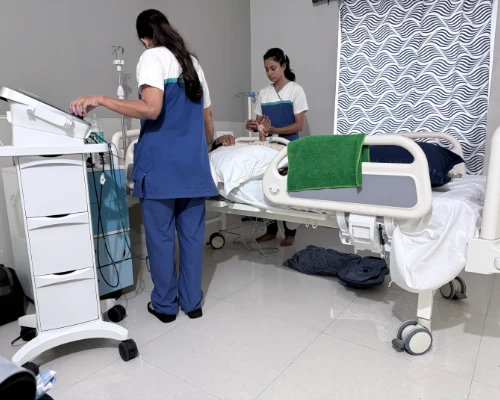
Why Technology-Enhanced Neuro Rehab Works
Stroke causes hemiparesis, spasticity, sensory loss, balance deficits, and speech/cognitive changes. Spinal cord injury disrupts motor control, sensation, bowel/bladder function, and can cause spasticity and secondary complications. Neuroplasticity—the brain and spinal cord's ability to rewire—is maximized with intensive, task-specific, repetitive practice paired with real-time feedback. Redcord Neurac allows pain-free, gravity-reduced practice of complex movements while activating deep stabilizers; EMG biofeedback corrects abnormal muscle timing and reduces compensations; RPMS modulates spasticity and facilitates nerve recovery; BOBO balance provides engaging, measurable weight-shift and coordination drills. Research shows 30-50% greater functional gains with technology-assisted neuro rehab compared to conventional therapy alone, with sustained improvements when transitioned to community-based wellness programs.
Example:
Clinical evidence: Stroke patients receiving intensive task-specific training with EMG biofeedback and robotic assistance show 40-50% greater improvement in upper limb function (Fugl-Meyer scores) and walking speed compared to conventional therapy at 3-6 months. Incomplete spinal cord injury patients with EMG-triggered stimulation and suspension therapy demonstrate 30-40% better selective motor control and reduced spasticity, with improved independence in transfers and mobility.


Our Serving Areas
We proudly serve patients from the following areas within a 5km radius of our clinic
5km Radius
From ARD Magnum
Moosapet, Hyderabad
Convenient Location
All areas listed are within a 5km radius of our clinic at ARD Magnum, Moosapet. We also provide home physiotherapy services throughout Hyderabad for patients who prefer in-home care.
Frequently Asked Questions
Common questions about advanced neurorehabilitation treatment at DakshinRehab Hyderabad